


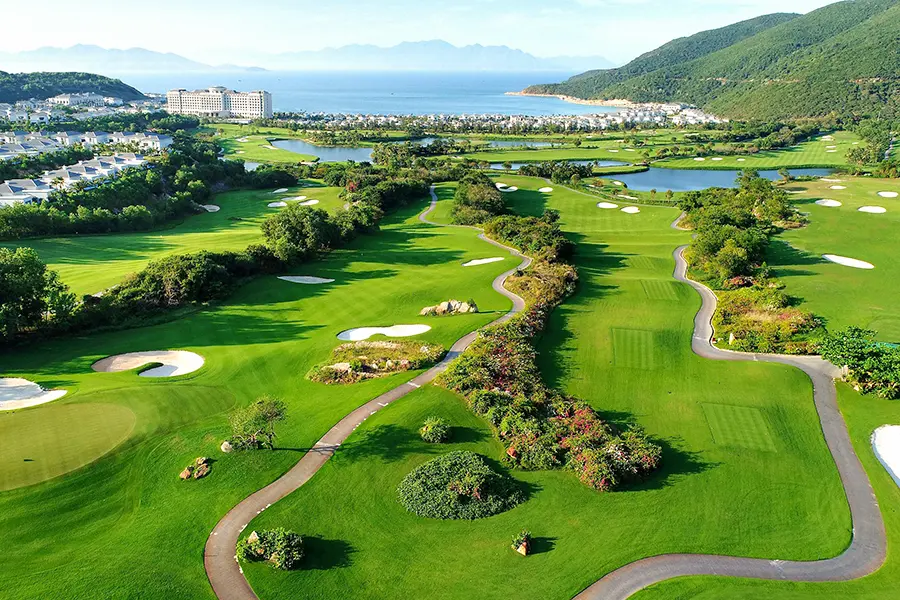
Vietnam is no longer simply an optional stop on the Asian golf map. The country now attracts international players with championship layouts, dramatic coastal scenery, mountain-backed fairways, modern resorts, and easy access to cultural destinations. Well-planned vietnam golf tours make it possible to play several contrasting courses while also exploring Hanoi, relaxing on the beaches of Da Nang, wandering through Hoi An, or ending the journey at a tropical resort in Phu Quoc.
What distinguishes Vietnam from many established golf destinations is the variety. Golfers can experience links-inspired terrain shaped by sea winds, forest courses surrounded by tropical vegetation, and mountain layouts defined by elevation changes - all within one country.
Why Golf in Vietnam Is Gaining International Attention
Vietnam’s reputation as a golf destination is closely linked to three factors: diverse natural terrain, internationally designed courses, and the ability to combine golf with a complete vacation.
The country’s long coastline provides natural conditions for exposed fairways, sandy ground, dunes, and changing winds. Inland areas offer lakes, forests, valleys, and mountain scenery that create a very different style of play.
Several courses have also been designed by internationally recognized names such as Greg Norman, Sir Nick Faldo, and Luke Donald. Their involvement has helped place Vietnam’s golf scene in front of a wider international audience.
However, course design is only part of the appeal. Many golf regions are located near luxury resorts, UNESCO-listed heritage sites, beaches, restaurants, and international airports. A golfer does not need to choose between a serious sporting trip and a cultural holiday.
Understanding Vietnam’s Different Golf Landscapes
Not every championship course in Vietnam delivers the same experience. The country’s geography produces several distinct playing environments.
Links-Inspired Courses
Traditional links golf developed on sandy coastal land, where wind and firm ground heavily influence play. Vietnam’s coastal layouts are not always pure links courses in the historical sense, but several use dunes, native vegetation, wide fairways, and sea breezes to create links-inspired conditions.
On these courses, golfers must think beyond distance. Wind direction, ball flight, ground movement, and course management can matter more than power.
Conditions may also change during the round. A calm opening nine can become considerably more difficult when the coastal wind strengthens.
Coastal Resort Courses
Coastal courses are one of Vietnam’s greatest golf attractions. They combine scenic ocean settings with convenient access to beachfront accommodation.
These layouts often feature open terrain, water views, sandy waste areas, and tropical vegetation. They are especially attractive to couples and groups with mixed interests because non-golfers can enjoy the beach, spa, or resort while others play.
Da Nang, Hoi An, Lang Co, Nha Trang, and Phu Quoc are among the destinations where golf and coastal leisure can be combined naturally.
Mountain and Hillside Courses
Mountain and hillside courses offer a different strategic challenge. Elevation changes can affect club selection, while sloping fairways create uneven lies and demanding approach shots.
These courses may feel cooler or more sheltered than exposed coastal layouts. Forests, lakes, valleys, and distant mountain views also create a strong sense of separation from nearby cities.
Golfers should consider walking conditions when choosing this type of course. Even when carts are available, the changing terrain can make a round physically demanding.
Central Vietnam: The Country’s Leading Golf Corridor
For travelers who want to play several championship courses during one stay, central Vietnam is one of the most convenient regions.
Da Nang, Hoi An, and Lang Co form a practical golf corridor supported by beachfront resorts, private transfers, spas, restaurants, and cultural attractions.
Legend Da Nang Golf Resort

The course originally known as BRG Da Nang Golf Resort helped establish central Vietnam as a serious golf destination. Its Norman Course was designed by Greg Norman and reflects the character of the coastal terrain.
Golfers can expect sandy areas, native vegetation, exposed playing conditions, and holes influenced by changing winds. Rather than relying entirely on dramatic water hazards, the course asks players to manage position, trajectory, and approach angles.
It is particularly suitable for golfers interested in links-inspired play within easy reach of Da Nang’s hotels and resorts.
The surrounding destination adds considerable value. After a round, travelers can return to the beach, explore the city, or continue to Hoi An for dinner and an evening walk.
Laguna Golf Lang Co
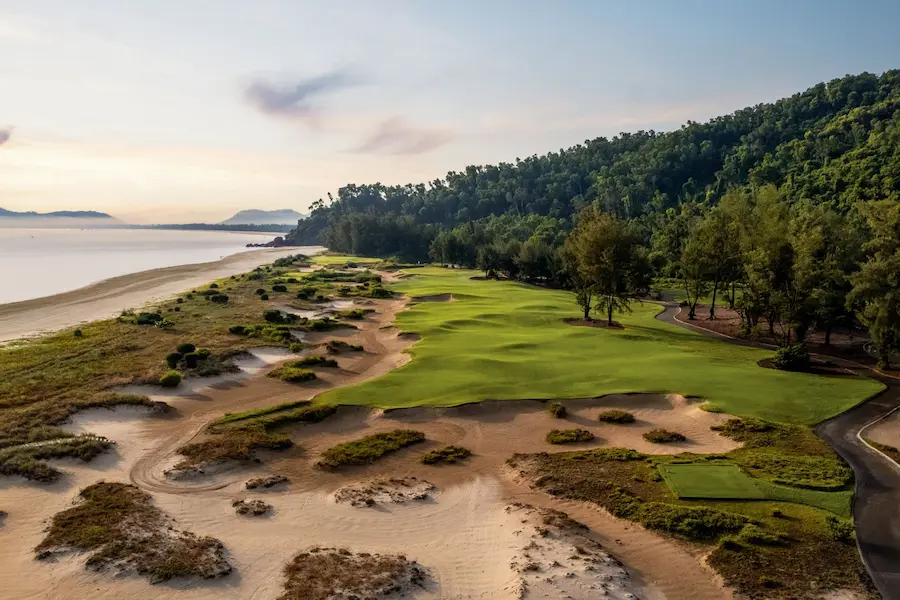
Located between the mountains and the sea, Laguna Golf Lang Co offers one of Vietnam’s most distinctive natural settings.
The 18-hole championship course was designed by Sir Nick Faldo and incorporates several types of terrain into one layout. Golfers move through rice-field scenery, streams, rocky areas, woodland, and more open coastal sections. The course sits within an integrated resort near Lang Co Bay, with accommodation and recreational facilities nearby.
The variety prevents the round from feeling visually repetitive. Some holes reward careful positioning, while others make greater use of elevation, wind, and natural obstacles.
Lang Co can also be added to a broader central Vietnam itinerary. It is well positioned for travelers who want to connect Da Nang and Hoi An with the imperial heritage of Hue.
Ba Na Hills Golf Club

Ba Na Hills Golf Club presents a noticeable contrast to the region’s coastal courses. Set inland near the foothills west of Da Nang, the course was designed by former world number one Luke Donald.
The landscape introduces elevation changes, broad views, wooded surroundings, and a more sheltered atmosphere. Golfers who have already played along the coast may appreciate the different visual character and strategic demands.
Combining Ba Na Hills with a coastal layout gives players two contrasting experiences without requiring a domestic flight or a change of hotel.
This is one reason Da Nang works so well as a golf base: travelers can access different course styles while remaining close to beaches, restaurants, spas, and major attractions.
Combining Golf with Da Nang and Hoi An
A central Vietnam golf stay should not be overloaded with consecutive rounds.
A more balanced plan might include one coastal course, one mountain course, and one day at Lang Co, with rest or sightseeing days in between.
Non-golf activities can include:
- Walking through Hoi An Ancient Town
- Relaxing at a beachfront resort
- Joining a Vietnamese cooking class
- Visiting the heritage sites of Hue
- Booking a spa or wellness treatment
- Exploring the countryside around Hoi An
This structure allows golfers to experience several courses while their partners or family members enjoy the destination in their own way.
Hanoi: Golf Combined with Culture and Northern Scenery
Hanoi provides a different golf experience from central Vietnam.
Courses around the capital are generally located beyond the historic center, where there is more space for lakeside, valley, forest, and hillside layouts. The scenery can feel greener and more enclosed than the exposed coastal terrain farther south.
The capital is especially suitable for travelers who want cultural depth alongside golf. A morning or full-day round can be combined with time in Hanoi’s Old Quarter, traditional villages, museums, temples, or the city’s diverse restaurant scene.
A northern golf itinerary can also extend to Ha Long Bay, Ninh Binh, or Hai Phong. This creates a journey that combines sport with limestone scenery, heritage, and urban experiences.
Because northern Vietnam has more distinct seasons than the south, travelers should consider temperature, rainfall, and daylight when selecting travel dates.
Phu Quoc: A Relaxed Island Golf Experience
Phu Quoc offers a slower and more resort-focused alternative.
Vinpearl Golf Phu Quoc is an 18-hole, par-72 course located within tropical woodland on the island. Its setting allows golfers to play in a greener environment while remaining close to resorts, beaches, restaurants, and island activities.
Phu Quoc works particularly well as the final stage of a longer trip. After playing several rounds in Hanoi or central Vietnam, travelers can spend a few days resting by the beach and include one additional round without maintaining an intensive schedule.
Non-golfing companions can enjoy the spa, swimming pool, beach, boat excursions, or a relaxed resort day. Couples can reunite after the round for a sunset cruise or seafood dinner.
The island is therefore less suited to travelers who want to play a different course every day, but highly suitable for those who want golf to complement a tropical vacation.
The Influence of Greg Norman, Nick Faldo, and Luke Donald
International designers have contributed significantly to the identity of golf in Vietnam.
Greg Norman is strongly associated with coastal and links-inspired designs. His courses often make use of natural sandy terrain, wind, native vegetation, and strategic angles.
Sir Nick Faldo’s design at Laguna Lang Co demonstrates a different approach. The course uses the existing landscape to create variation, moving through multiple natural environments rather than presenting one uniform visual style.
Luke Donald’s work at Ba Na Hills brings golfers inland, where elevation and mountain scenery create a clear alternative to the coastal experience.
Travelers should not select a course only because of the designer’s name. However, playing layouts by different designers can reveal contrasting philosophies regarding risk, positioning, approach play, and the use of natural terrain.
How to Build a Multi-Destination Golf Vacation
Golfers with around 10 to 14 days can combine two or three regions without rushing.
One possible route begins in Hanoi with cultural touring and one or two northern rounds. Travelers can then fly to Da Nang and use the city or Hoi An as a base for several central courses. The journey may finish in Phu Quoc with beach time and a final resort round.
Those who want to combine golf with a broader exploration of the country can consider flexible Vietnam vacation packages that include cultural experiences, accommodation, domestic transportation, and free days alongside scheduled golf.
Regardless of the route, rest days are important. Playing too many rounds in hot or humid weather can reduce enjoyment, especially when the itinerary also includes early transfers and sightseeing.
Practical Tips Before Booking
Reserve tee times early during popular travel periods, particularly when several golfers need consecutive starting times.
Check the transfer duration from the hotel to each course. A course may appear close on a map but still require a longer journey due to traffic or local roads.
Golfers should also confirm:
- Club rental availability
- Caddie and cart policies
- Handicap requirements
- Dress codes
- Airline golf-bag allowances
- Seasonal maintenance schedules
- Typical regional weather
Early tee times are often more comfortable in warmer destinations. They also leave the afternoon available for shared activities, spa treatments, or sightseeing.
Conclusion
Vietnam’s best championship courses are worth adding to a vacation because they offer more than polished fairways and recognizable designer names.
The country gives golfers access to links-inspired coastal terrain, mountain layouts, tropical forest settings, luxury resorts, cultural cities, and island beaches within one journey.
Central Vietnam provides the strongest concentration of contrasting courses, Hanoi combines golf with northern culture and scenery, while Phu Quoc offers a relaxed resort finish.
By selecting different landscapes rather than simply collecting famous course names, golfers can experience the real strength of Vietnam: variety both on and off the course.