


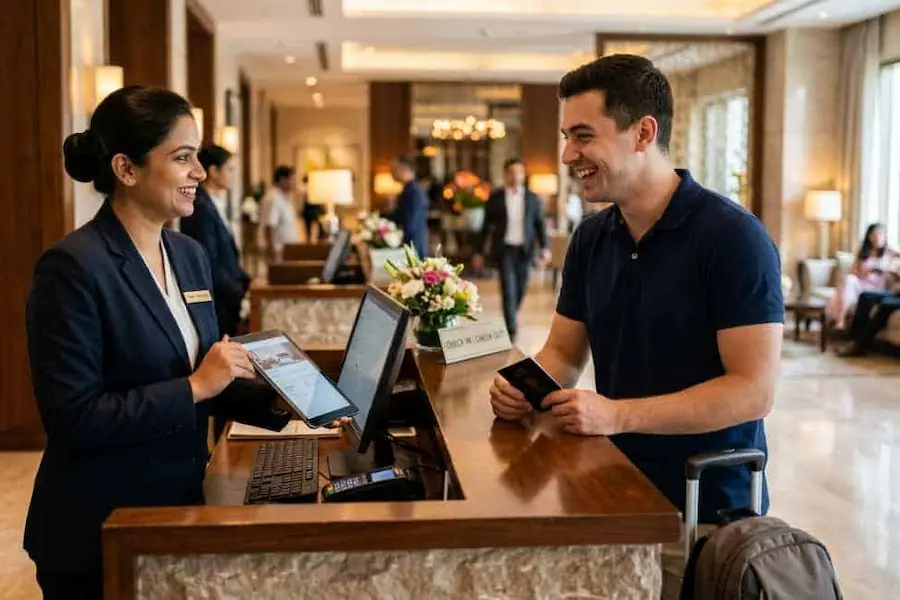
Staying in Vietnam can feel wonderfully easy. Hotels are widely available, hospitality is warm, and staff often go out of their way to help international guests. However, some expectations are never written on the booking confirmation. Understanding hotel etiquette in Vietnam can help you avoid awkward situations, communicate more effectively and enjoy a smoother stay.
Most of these rules are based on common courtesy rather than complicated local customs. From keeping hallways quiet to knowing which room items are complimentary, here are the essential things international travelers should know before checking into a hotel in Vietnam.
1. Keep Noise to a Minimum, Especially at Night

Noise is one of the most common complaints among hotel guests worldwide. A 2026 Hotels.com survey found that more than half of respondents considered quiet behavior an important part of being a courteous guest.
Hotel corridors can carry sound further than expected, particularly in smaller boutique properties. Avoid loud conversations, playing music at a high volume or allowing children to run along the hallway. When returning late, speak quietly and close your door gently rather than letting it slam.
There may not always be an official “quiet time,” but keeping noise down after 10 p.m. is a sensible rule.
2. Treat Hotel Employees with Respect
Vietnamese hotel staff are usually polite and service-oriented, even when language barriers arise. If a request is misunderstood, remain calm and explain it again using shorter sentences or a translation app.
Shouting at receptionists, blaming housekeeping staff for issues outside their control or demanding an immediate upgrade rarely produces a better outcome. A polite but clear explanation is usually more effective.
One of the most important principles of hotel etiquette in Vietnam is allowing staff a reasonable opportunity to resolve a problem before posting a complaint or negative review.
3. Do Not Take Supplies from Housekeeping Carts
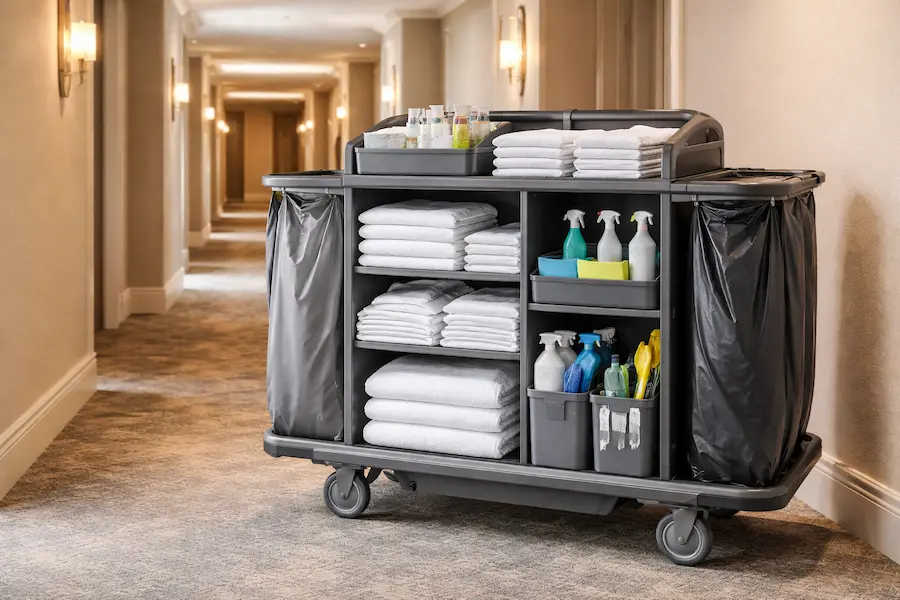
A housekeeping cart in the corridor may contain bottled water, toiletries and towels, but that does not make it a self-service station. These supplies are allocated to different rooms and should not be taken without permission.
If you need another towel, toothbrush or bottle of water, contact reception or housekeeping. Some items may be complimentary, while others can involve an additional charge. Asking first avoids confusion and prevents housekeeping employees from being held responsible for missing inventory.
4. Know What You Can Take from the Room
Small toiletries such as soap, shampoo, conditioner, dental kits and disposable slippers are generally provided for guests to use. Unopened items can normally be taken when you leave.
Reusable belongings are different. Towels, bathrobes, hangers, hair dryers, umbrellas, laundry bags and decorative objects remain hotel property. Taking them may result in an extra charge to your room.
Complimentary bottled water is usually labelled clearly. Drinks and snacks inside the minibar are commonly chargeable, so check the price list before opening anything.
5. Provide the Required Check-in Information
Hotels in Vietnam normally ask international visitors to present their passports during check-in. The property needs the relevant guest information to complete its registration procedures.
Some reception desks may hold the passport briefly while processing the details, while others will scan or photograph the identification page and return it immediately. If you need your passport back for another purpose, ask when it will be returned.
Every overnight guest should be included in the reservation. Avoid bringing an unregistered visitor into the room without checking the hotel’s policy first.
6. Follow the Hotel’s Smoking Policy
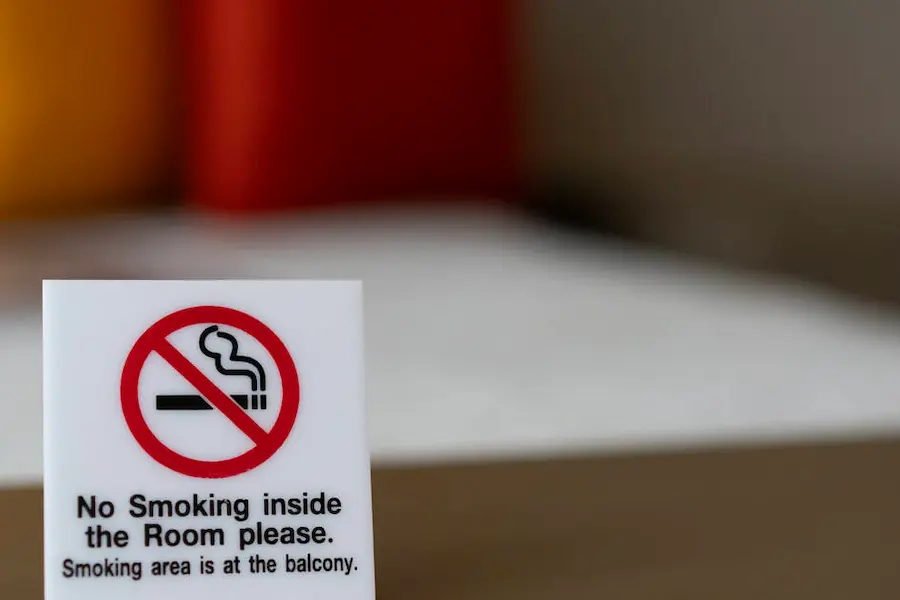
Smoking regulations vary between properties. Some hotels are completely smoke-free, while others have designated smoking rooms, balconies or outdoor areas.
Do not assume that an open window or private balcony automatically makes smoking acceptable. Smoke can enter neighboring rooms, and hotels may charge an additional cleaning fee if someone smokes in a non-smoking room.
The easiest approach is to ask reception where smoking is permitted and follow the instructions provided by the property.
7. Be Considerate Toward Housekeeping
Guests are not expected to clean their rooms before housekeeping arrives. However, keeping personal possessions reasonably organized allows employees to work without moving or accidentally damaging them.
Place rubbish in the bin, avoid leaving valuables on the bed and do not use white towels to clean shoes, remove makeup or wipe up heavily staining substances. If you do not want the room serviced, display the “Do Not Disturb” sign.
Good hotel etiquette in Vietnam also means letting housekeeping know when you are leaving the room, rather than repeatedly asking staff to return at uncertain times.
8. Report Damage and Accidents Honestly
Accidents happen. A glass may break, a towel may become stained or an appliance may stop working during your stay. Inform the hotel instead of hiding the problem.
Reporting an issue does not automatically mean that you will be charged. The staff first need to assess whether the damage resulted from normal use or requires repair or replacement. Prompt reporting can also prevent broken equipment from affecting the next guest.
Before using unfamiliar appliances, check the instructions or contact reception for assistance.
9. Use Good Manners at the Breakfast Buffet

Hotel breakfasts in Vietnam often combine Western choices with local dishes such as pho, fried rice, noodles, congee and tropical fruit. Take a reasonable portion first and return for more if necessary.
Always use the serving utensils instead of touching food directly. Avoid wasting food or packing items from the buffet unless takeaway is specifically allowed. If you have an early departure, ask whether the hotel can prepare a breakfast box.
At busy resorts, do not reserve a large table with personal belongings while other guests are waiting for somewhere to sit.
10. Respect Check-in and Check-out Times
Arriving early does not guarantee that your room will be ready. The previous guest may have only recently checked out, and housekeeping needs time to prepare the accommodation properly.
Most hotels will store luggage when early check-in is unavailable. Similarly, contact reception in advance if you need a late check-out. The hotel may offer it free of charge when occupancy is low or quote an additional fee.
Remaining in the room beyond the stated check-out time without informing anyone can disrupt cleaning schedules and delay the next guest.
11. Understand Tipping in Vietnamese Hotels
Tipping is appreciated in Vietnam but is not compulsory in most hotels. International travelers may leave a small tip for a porter, housekeeper or employee who provides particularly helpful service.
There is no universal amount. The gesture matters more than following a strict percentage. If you tip housekeeping, leave the money in a visible place with a short note so staff understand that it is intended for them.
Luxury hotels may include a service charge in the final bill, so review your invoice if you are unsure.
12. Raise Problems Calmly and Promptly
Do not wait until check-out to mention a problem that could have been solved during the stay. If the air conditioner is not working, the room is unusually noisy or something differs significantly from the booking description, contact reception as soon as possible.
Explain the problem specifically and state what resolution you would consider reasonable. Depending on availability, the hotel may send a technician, replace an item or offer another room.
Following hotel etiquette in Vietnam does not mean accepting poor service. Travelers can be courteous while still asking a hotel to deliver what was promised.
A Quick Hotel Etiquette Checklist
Before and during your stay, remember to:
- Register every overnight guest
- Keep corridors and rooms quiet at night
- Ask before taking extra hotel supplies
- Check minibar prices and complimentary-item labels
- Respect smoking and visitor policies
- Report damage or maintenance problems promptly
- Confirm late check-out rather than assuming it is available
- Treat hotel employees and other guests respectfully
These small actions can prevent misunderstandings and make the experience more comfortable for everyone.
Frequently Asked Questions
Can I take hotel slippers and toiletries home?
Disposable slippers and small toiletries are generally complimentary. Bathrobes, towels, hangers and reusable room equipment belong to the hotel unless clearly marked otherwise.
Is tipping hotel staff expected in Vietnam?
Tipping is not mandatory, but it is appreciated when an employee provides helpful or attentive service. There is no fixed tipping percentage for most hotels.
Can hotels in Vietnam ask for my passport?
Hotels normally request passport information from international guests during check-in. Ask reception when your passport will be returned if they need to hold it briefly for processing.
Can I bring a visitor to my hotel room?
Policies differ between hotels. Visitors may need to present identification, register at reception or leave by a specified time. Some properties charge an additional fee for an overnight guest.
What should I do if I have a problem with my room?
Contact reception promptly, describe the issue clearly and allow the hotel an opportunity to fix it. Take photographs when the problem involves cleanliness, damage or a major difference from the advertised room.
Enjoy a More Comfortable Stay in Vietnam
Learning hotel etiquette in Vietnam is not about memorizing a long list of restrictions. It is about respecting shared spaces, communicating clearly and understanding how local hotels operate.
A considerate guest is also more likely to receive helpful, flexible service when unexpected situations arise. Whether you are staying in a family-run hotel in Hoi An, a city property in Hanoi or a beach resort in Phu Quoc, these simple habits can make your trip easier from check-in to check-out.
For a well-organized journey combining suitable accommodations, local experiences and private support, explore our Vietnam vacation packages and start planning a trip around your preferred travel style.