
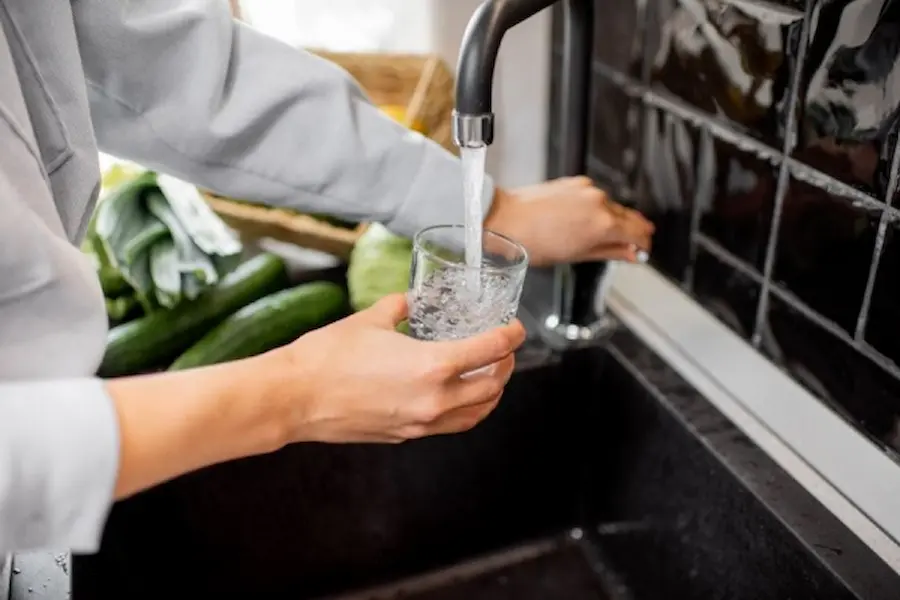
Can you drink tap water in Vietnam? The short answer is no - international travelers should not drink it directly from the tap.
This question may not seem important while you are planning where to stay in Hanoi or which cruise to book in Halong Bay. But it often becomes surprisingly urgent on the first night of a trip, usually when you are standing in a hotel bathroom holding a toothbrush and wondering whether the water is safe.
As a local tour operator in Vietnam, we hear variations of this question regularly. Can you brush your teeth with tap water? Is the ice in Vietnamese coffee safe? Can you refill your bottle from a hotel faucet? What about boiled water served in a restaurant?
The answers are not complicated, but they do require some context. This guide explains how locals use tap water, what travelers should avoid, and how to stay hydrated without spending the entire trip worrying about every glass of water.
Can You Drink Tap Water in Vietnam Safely?
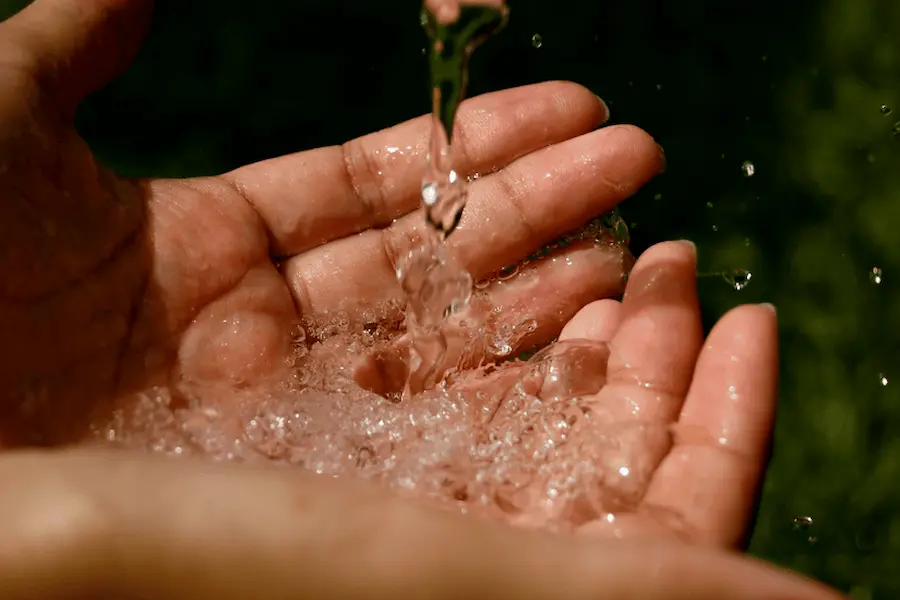
No, drinking untreated tap water in Vietnam is not recommended for travelers, even in major cities such as Hanoi, Ho Chi Minh City and Da Nang.
The water supplied to urban areas normally undergoes treatment before reaching homes and hotels. However, the complete journey from a treatment facility to a bathroom tap may include aging pipes, storage tanks and building plumbing systems of varying quality. This means the condition of the water at its source does not always guarantee the same quality when it reaches your glass.
The United States Centers for Disease Control and Prevention advises travelers that tap water is unsafe to drink in Vietnam. Its broader food and water guidance recommends using bottled or disinfected water when the safety of the local supply is uncertain.
Vietnamese people generally do not drink water straight from the faucet either. Most households boil tap water, use a filtration system or purchase large containers of purified drinking water. Therefore, avoiding untreated tap water is not an example of tourists being overly cautious. It is broadly consistent with local habits.
Why Isn’t Tap Water Recommended for Travelers?
When people ask can you drink tap water in Vietnam, they sometimes assume that the answer must be the same everywhere in the country. In reality, water infrastructure and building conditions can vary considerably.
Water quality can change between locations
A modern hotel in central Hanoi, a family-run homestay in the mountains and a beach property on a small island may receive and store water in different ways. Even two buildings on the same street can have different tanks, filters and plumbing systems.
Travelers also move between destinations more frequently than residents. During one journey, you might stay in a city hotel, sleep on a cruise, visit a rural village and travel through several provinces. Using sealed or properly treated drinking water provides a consistent precaution across all these environments.
Travelers may not be accustomed to local microorganisms
Local residents often have years of exposure to their usual food and water environment. International visitors may react differently, particularly during their first few days in the country.
However, it is important not to blame every stomach problem on tap water. Changes in diet, unfamiliar ingredients, rich meals, heat and poor hand hygiene can also cause digestive discomfort. Safe drinking water is one practical part of reducing risk, not a guarantee that every meal will agree with you.
Can You Brush Your Teeth with Tap Water in Vietnam?
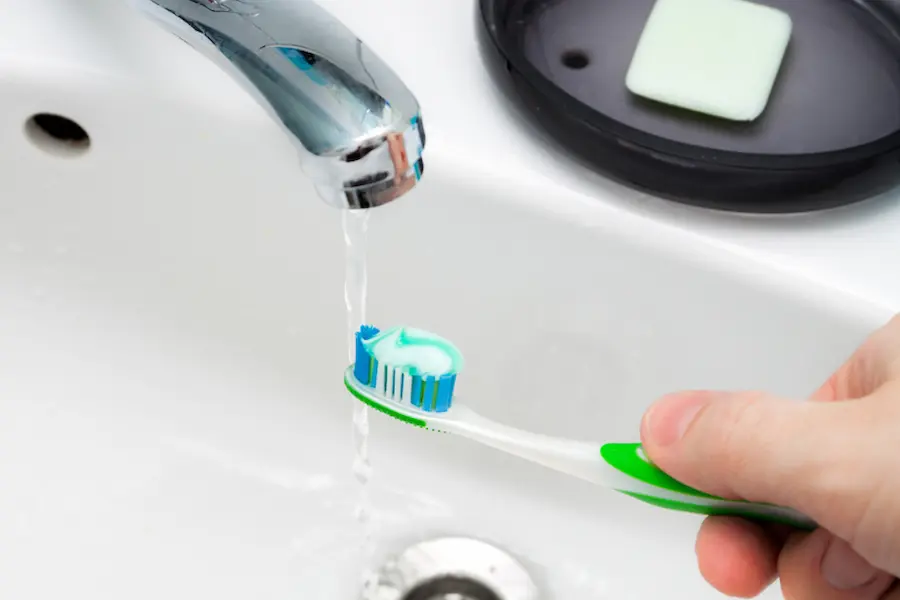
If you are still wondering can you drink tap water in Vietnam, brushing your teeth creates a slightly different question because you do not intend to swallow the water.
Many locals and long-term foreign residents use tap water for brushing their teeth. Nevertheless, cautious travelers - especially those with sensitive stomachs - may prefer bottled, boiled or properly filtered water. The CDC recommends brushing with bottled or disinfected water when the local tap water may be contaminated.
Using bottled water is particularly sensible for:
- Young children who may swallow water
- Older travelers with underlying health concerns
- People with weakened immune systems
- Anyone with a history of digestive sensitivity
- Travelers staying in remote areas or buildings with uncertain plumbing
Most hotels provide complimentary bottled water each day. If there is none in your room, ask reception whether the tap water is filtered and whether additional drinking water is available.
Is Tap Water Safe for Showering?
Yes, tap water is generally used for showering, washing your hands and cleaning clothes throughout Vietnam. You do not need to shower using bottled water.
Try not to swallow the water while showering, especially if you are staying somewhere with uncertain water quality. Parents should also supervise young children who may drink bathwater accidentally.
Normal skin contact is not the same as drinking the water. Unless local authorities or your accommodation issue a specific warning, ordinary washing and bathing should not be a concern.
What About Ice in Vietnam?
After asking can you drink tap water in Vietnam, travelers usually look suspiciously at the ice floating in their first Vietnamese coffee. Fortunately, not all ice should be treated as frozen tap water.
Hotels, established restaurants and busy cafés commonly purchase commercially produced ice made with purified water. Cylindrical ice cubes with a hole through the middle are often associated with machine-produced ice, although their shape alone should not be treated as an absolute safety guarantee.
Use practical judgment:
- Choose busy cafés and restaurants with regular customer turnover.
- Prefer established businesses that handle food and drinks professionally.
- Avoid ice that appears dirty, has been stored uncovered or is handled carelessly.
- Ask for your drink without ice if you are uncertain.
In Vietnamese, you can say “không đá”, meaning “no ice.”
Travelers with particularly sensitive stomachs may choose to avoid ice during their first few days. For most visitors, however, ice served by reputable hotels, restaurants and cafés is not something that should cause constant anxiety.
Is Bottled Water in Vietnam Safe?
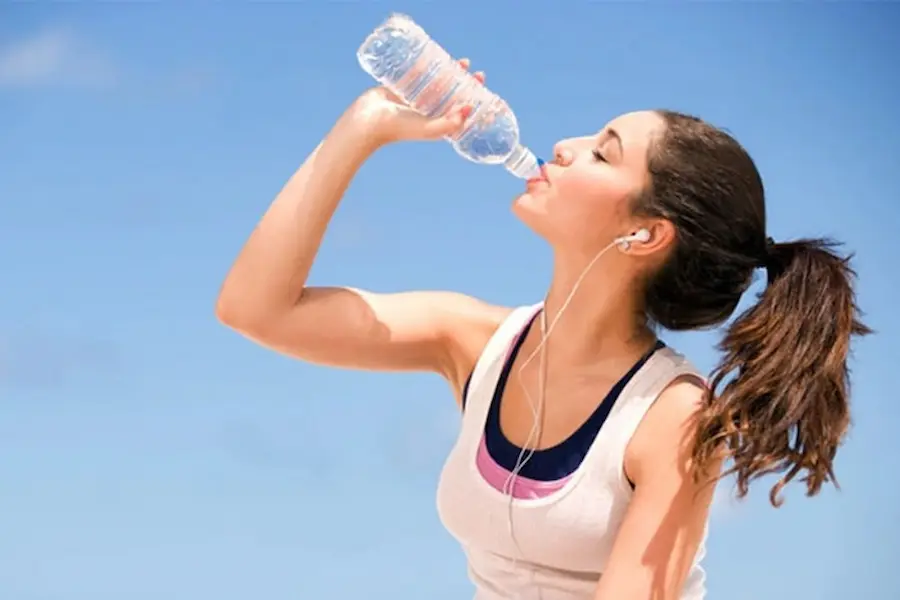
Sealed bottled water from established brands is generally the simplest option. It is widely available at hotels, supermarkets, convenience stores and local shops.
Before drinking, check that:
- The cap and safety ring are intact.
- The bottle has not already been opened.
- The label is printed clearly.
- The water looks transparent and has no unusual particles.
- The bottle has not been stored in prolonged direct sunlight.
Do not automatically assume that water in an unsealed jug is purified. In a restaurant, ask whether it is bottled, boiled or filtered if you are unsure.
Carrying a reusable bottle can reduce plastic waste. Many higher-standard hotels and responsible tour providers now offer filtered-water refill stations. Confirm that a station is intended for drinking water before filling your bottle.
Can Boiling Make Tap Water Safe?
The practical answer to can you drink tap water in Vietnam after boiling it is generally yes, provided it has been boiled correctly and stored in a clean container.
According to the CDC’s water disinfection guidance, water should be brought to a full rolling boil for one minute. At elevations above 6,500 feet, or approximately 2,000 meters, it recommends boiling for three minutes. The water should then be allowed to cool naturally.
Boiling can kill many disease-causing organisms, but it does not remove every possible chemical contaminant. For a typical visitor, sealed bottled water or water from a reliable purification system is usually more convenient than treating water independently.
Be careful with hotel kettles as well. A kettle can boil water, but its cleanliness and previous use may be unknown. Check it before use or request hot drinking water from hotel staff.
Can You Use Tap Water for Cooking and Washing Fruit?
Tap water is commonly used for cooking in Vietnamese homes, especially when food will be boiled thoroughly. For uncooked items, more caution is appropriate.
Use bottled, boiled or reliably filtered water for:
- Washing fruit that will be eaten without peeling
- Preparing cold food
- Making ice
- Mixing drinks
- Preparing infant formula
- Taking medication
Fruit that can be peeled, such as bananas, mangoes, oranges and dragon fruit, is generally a convenient choice for travelers. When eating salads or cut fruit, choose restaurants and hotels with good food-handling standards.
Again, the point is not to become afraid of fresh food in Vietnam. It is simply to be more selective about uncooked items because they receive no final heat treatment.
What Water Do Hotels and Restaurants Provide?
The answer depends on the property.
Many hotels place one or two complimentary bottles in each room every day. Higher-end properties may provide glass bottles filled with purified water or offer a dedicated refill station. Some homestays use large commercial water containers for guests.
Water served at a restaurant may be:
- Factory-sealed bottled water
- Purified water from a large container
- Filtered water
- Boiled and cooled water
If you want factory-sealed water, ask for “nước đóng chai”, which means bottled water. Check whether it is complimentary before opening it, as hotel minibar water may be chargeable even when other bottles are free.
When evaluating can you drink tap water in Vietnam hotels, do not assume that a luxury room makes its bathroom tap drinkable. Unless the hotel specifically identifies a faucet as providing filtered drinking water, use the water supplied for guests.
What Should You Do If You Accidentally Drink Tap Water?
Do not panic over one accidental sip. Drinking a small amount does not automatically mean that you will become ill.
Continue drinking safe water and monitor how you feel. If you develop persistent digestive symptoms, fever, signs of dehydration or anything that concerns you, speak with a qualified medical professional. Travelers with chronic conditions, weakened immunity or other specific health risks should seek advice sooner rather than relying on general travel information online.
Avoid taking antibiotics without appropriate medical guidance. Different conditions can produce similar symptoms, and unnecessary medication may create additional problems.
A Simple Water Checklist for Vietnam
You do not need an elaborate system. Follow these basic habits:
- Do not drink untreated water directly from the tap.
- Choose sealed bottled water or verified filtered water.
- Check the bottle cap before opening it.
- Use safe water for brushing if you have a sensitive stomach.
- Choose ice from reputable cafés, hotels and restaurants.
- Use boiled, bottled or filtered water for uncooked food preparation.
- Carry a refillable bottle when reliable refill stations are available.
- Ask your guide or accommodation staff whenever you are uncertain.
These precautions quickly become automatic and should not interfere with enjoying your trip.
Frequently Asked Questions
Can you drink tap water in Vietnam if you stay at a five-star hotel?
Do not assume bathroom tap water is drinkable purely because the hotel is luxurious. Some properties have advanced filtration systems, but travelers should use the drinking water provided unless the hotel clearly confirms that the tap is potable.
Can you drink tap water in Vietnam after filtering it?
That depends on the filtration system. Basic pitcher filters may improve taste but may not remove every microorganism or contaminant. Use a system specifically designed and maintained for water purification, or boil the water according to recognized safety guidance.
Can you drink tap water in Vietnam after it has been boiled?
Proper boiling can make water microbiologically safer. Bring it to a rolling boil for at least one minute, or three minutes at elevations above approximately 2,000 meters, then let it cool in a clean, covered container.
Is it safe to use tap water to make tea or coffee?
It is generally safer when the water reaches a full boil. However, some coffee machines do not boil water fully. Hotels and reputable cafés normally use purified water, but you can ask if you are concerned.
Should I avoid all drinks with ice?
No. Commercially produced ice is widely used by reputable cafés, restaurants and hotels in Vietnam. If the establishment appears unhygienic or you are unsure how the ice was stored, request your drink without it.
Final Answer: Can You Drink Tap Water in Vietnam?
So, can you drink tap water in Vietnam? Travelers should avoid drinking it untreated. Use sealed bottled water, correctly boiled water or water from a verified purification system instead.
You can still shower, wash your hands and do laundry normally. For brushing your teeth, preparing uncooked food and making drinks, cautious travelers should use safe drinking water - particularly when staying in remote areas or traveling with children.
Water safety is one of those small details that can affect an entire journey. When traveling with an experienced local operator, questions about drinking water, food hygiene, suitable accommodation and comfortable rest stops are handled as part of the planning process. Explore our vietnam vacation packages for a carefully organized journey supported by local experts who understand both the highlights of Vietnam and the practical details that make travel easier.
With a few straightforward habits, you can stop worrying about the bathroom faucet and return your attention to the much better question: where should you explore next?