


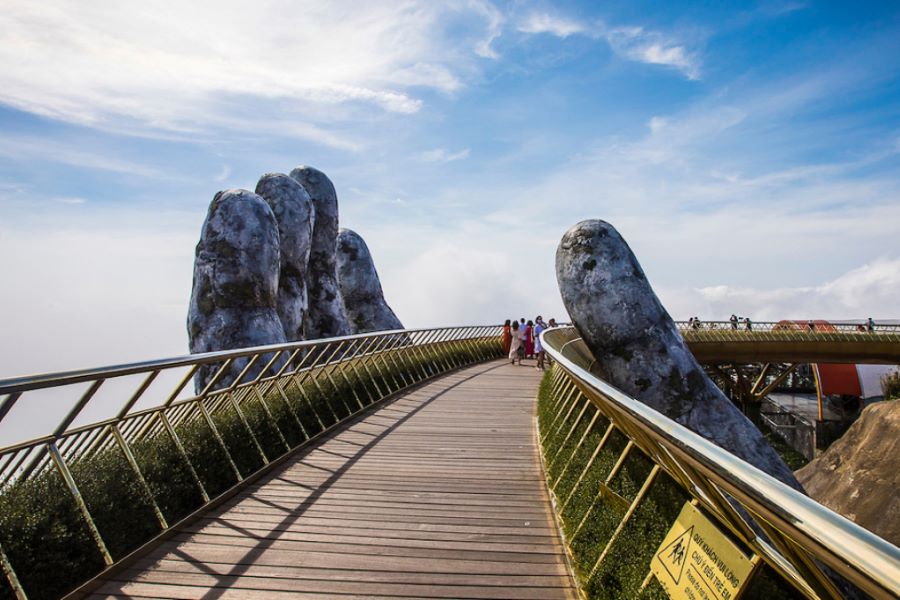
Luxury travel in Vietnam is changing. Instead of rushing from one famous attraction to another, many discerning visitors now prefer slower, more personal journeys shaped around comfort, culture, wellness, and meaningful experiences. From private cruises and refined culinary encounters to scenic rail journeys and carefully designed vietnam luxury golf tours, travelers are discovering that the country offers far more than a conventional sightseeing itinerary.
This new approach is less about checking destinations off a list and more about experiencing Vietnam with time, privacy, and purpose. A morning may begin with meditation beside the sea, continue with a round of golf or a private cultural visit, and end with a chef-led dinner featuring regional ingredients. The result is a journey that feels more relaxed, immersive, and personal.
The Shift from Sightseeing to Experience-Led Travel
Traditional sightseeing often focuses on major landmarks, fixed schedules, and short stops. While iconic places remain important, luxury travelers increasingly want to understand the character of a destination rather than simply photograph it.
In Vietnam, this shift is especially noticeable because the country offers such strong contrasts. Each region has its own food, landscape, architecture, climate, and local customs. Travelers who slow down can experience these differences more clearly.
Rather than spending one night in each city, many visitors now choose longer stays in fewer places. This allows them to explore beyond the most crowded attractions, build a deeper connection with local communities, and enjoy their accommodation as part of the journey.
Experience-led travel may include:
- Staying several nights in one region
- Traveling with a private local guide
- Choosing flexible departure times
- Combining relaxation with cultural discovery
- Joining small-scale or private activities
- Leaving space in the itinerary for spontaneous experiences
Luxury is therefore becoming less about constant movement and more about having the freedom to travel at a comfortable pace.
Slow Travel Is Redefining Luxury in Vietnam
Slow travel has become one of the strongest trends among high-end visitors. It focuses on quality rather than quantity and encourages travelers to spend more time in each destination.
Vietnam is particularly well suited to this style of travel because many regions offer enough variety for several days without requiring long transfers.
Staying Longer in One Destination
In Hoi An, for example, travelers can divide their time between the ancient town, nearby countryside, beaches, cooking experiences, wellness treatments, and golf courses. Instead of rushing through the area in one day, they can experience it gradually.
In Hanoi, a longer stay creates opportunities to explore historic neighborhoods, contemporary art spaces, local markets, traditional villages, and the city’s evolving culinary scene.
The same applies to destinations such as Hue, Ninh Binh, Phu Quoc, and the Mekong Delta. Each rewards travelers who allow enough time to move beyond the obvious attractions.
Creating Space in the Itinerary
Luxury travelers increasingly value unstructured time. A free afternoon may be used for a spa treatment, a café visit, a private shopping appointment, or simply relaxing at the hotel.
This flexibility also makes the journey more resilient. Weather changes, delayed flights, or unexpected discoveries are easier to manage when the schedule is not overloaded.
A slower itinerary often feels more luxurious because travelers are not constantly watching the clock.
Wellness Journeys Rooted in Nature and Tradition
Wellness has become a central part of luxury travel in Vietnam. The country’s beaches, mountains, tropical forests, and peaceful rural landscapes provide natural settings for rest and recovery.
Modern wellness programs often combine international spa standards with Vietnamese traditions.
Traditional Treatments and Herbal Therapies
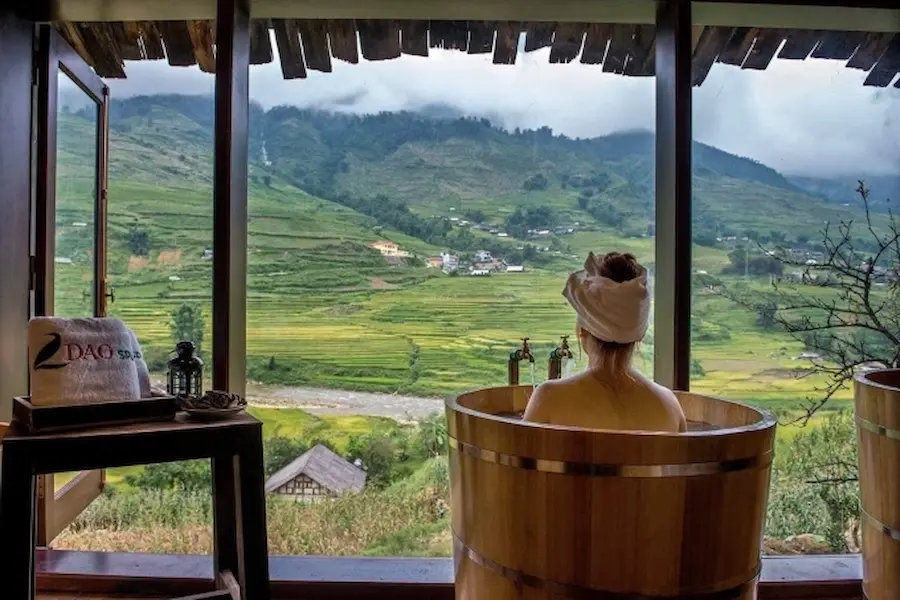
Vietnam has a long history of using herbs, massage, steam treatments, and natural remedies. Luxury resorts and wellness retreats increasingly incorporate these practices into personalized programs.
Guests may experience herbal baths, therapeutic massage, meditation, breathing exercises, or treatments using locally sourced ingredients.
These experiences are often more memorable when they are connected to the region. A mountain retreat may use native herbs, while a coastal resort may focus on sea-inspired therapies and outdoor relaxation.
Yoga, Meditation, and Mindful Travel
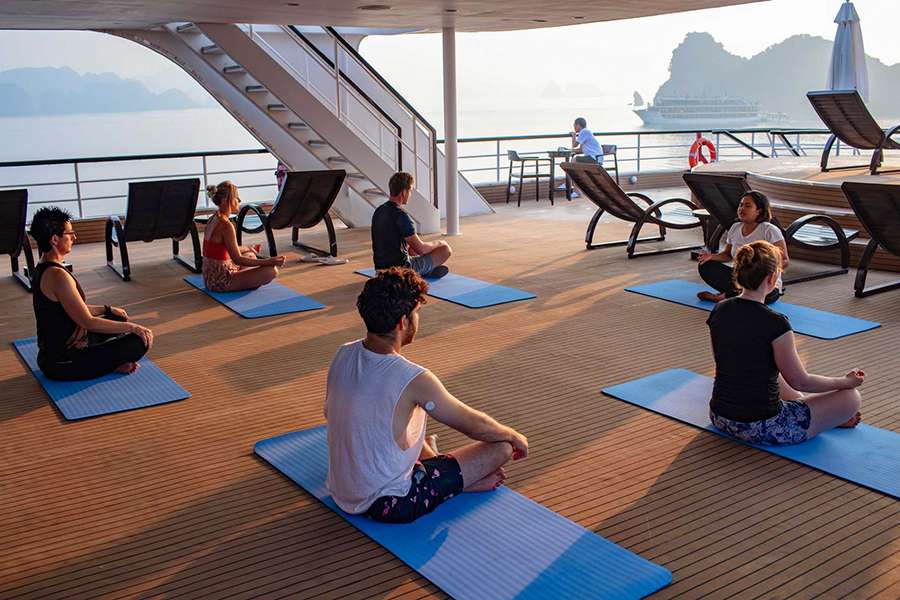
Yoga and meditation sessions are now common at high-end resorts, but many travelers are looking for more than a standard class.
Private sessions, sunrise meditation, guided breathing, and nature-based wellness activities allow guests to build a routine suited to their personal needs.
Some travelers choose Vietnam specifically for a restorative break. Others simply include wellness days between sightseeing, golf, or long-distance travel.
This balance helps prevent the exhaustion that can come from an overly ambitious itinerary.
Exploring Vietnam by Private Yacht and Luxury Cruise
Vietnam’s coast, bays, islands, and rivers create excellent opportunities for private cruising.
For luxury travelers, the appeal is not only the vessel itself but also the privacy and access it provides.
Private Cruising in Ha Long Bay and Lan Ha Bay
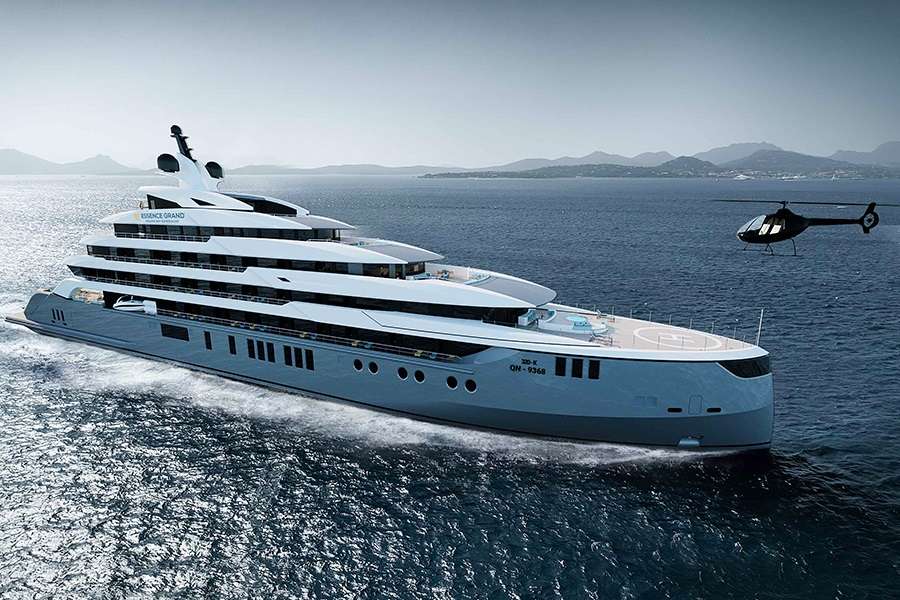
Ha Long Bay remains one of Vietnam’s most recognizable destinations. However, the experience can vary greatly depending on the style of cruise.
Private or small luxury vessels allow travelers to avoid crowded schedules and explore quieter sections of the bay. Itineraries may include kayaking, cave visits, swimming, onboard dining, and secluded anchoring locations.
Lan Ha Bay is also attractive to travelers seeking a calmer environment with limestone scenery and sheltered waters.
A private cruise allows greater control over timing, meals, and activities, making the journey feel less like a group excursion and more like a personal escape.
Island and Coastal Experiences
In southern and central Vietnam, private boats and yachts can be used for island-hopping, sunset cruises, fishing experiences, or coastal dining.
Destinations such as Nha Trang, Phu Quoc, and parts of the central coast offer opportunities to spend a day on the water without joining a large tour.
For couples, families, or small groups, a private yacht experience can become one of the most relaxing parts of the trip.
Luxury Train Journeys Add Character to the Route
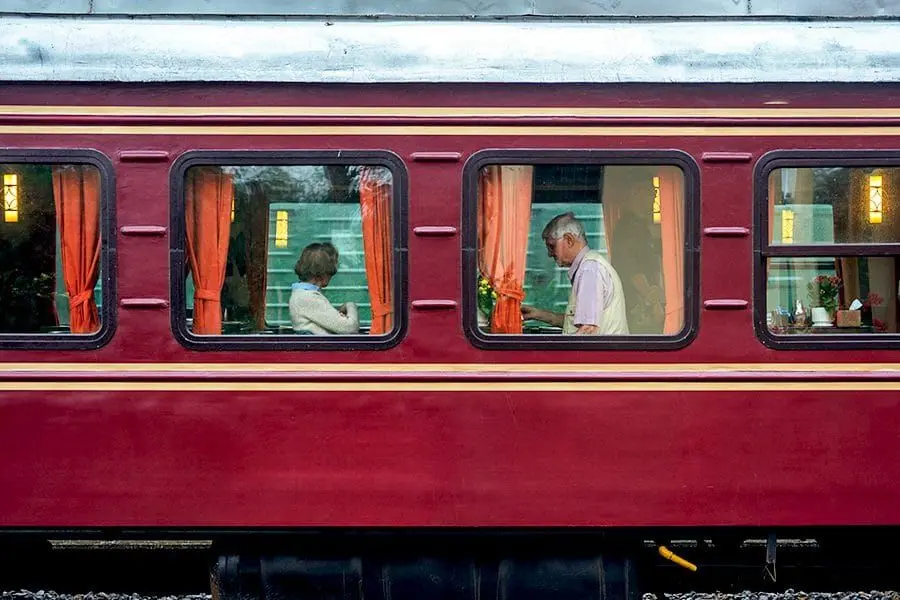
Rail travel is attracting renewed interest among travelers who want the journey itself to become part of the experience.
Vietnam’s long, narrow geography makes train travel especially relevant. Routes pass through cities, countryside, mountains, and coastal areas, revealing landscapes that are often missed when flying.
Scenic Travel Between Central Destinations
Luxury rail experiences in central Vietnam have introduced a more refined way to travel between key destinations. Passengers can enjoy comfortable seating, dining, attentive service, and changing views without the stress of road transfers.
The route between coastal cities and heritage destinations is particularly scenic, with sections passing mountains, beaches, villages, and agricultural land.
Why Trains Appeal to Luxury Travelers
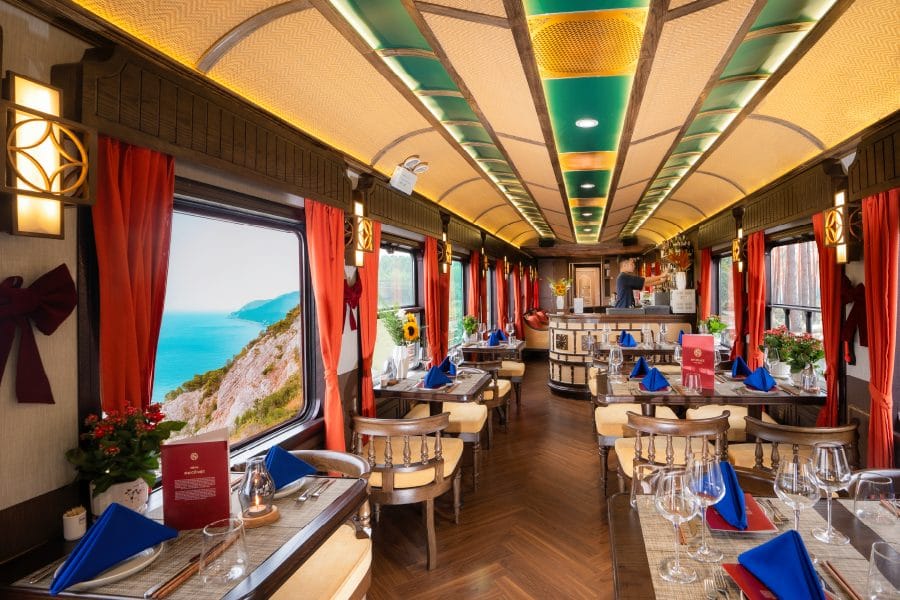
Luxury trains offer something that private flights and fast transfers cannot: a sense of transition.
Travelers can watch the landscape change, enjoy a meal, and arrive with a stronger understanding of the distance between destinations.
For those embracing slow travel, rail journeys provide a natural break between active days. They also reduce the need to treat transportation as wasted time.
A well-planned itinerary may combine private vehicles, domestic flights, cruises, and trains depending on the route.
Golf as Part of a Broader Luxury Journey
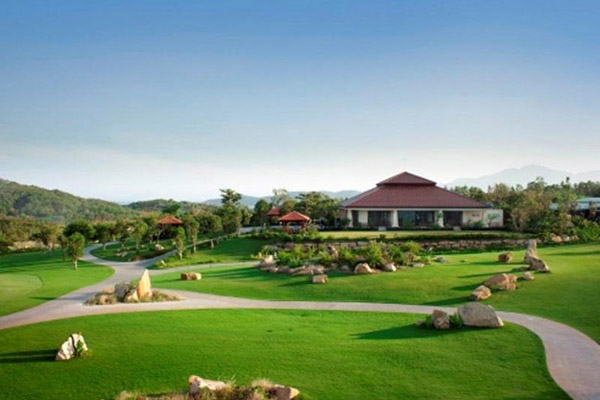
Golf is becoming increasingly integrated into high-end Vietnam itineraries, especially for couples, corporate groups, and travelers with mixed interests.
The most successful golf journeys are not necessarily built entirely around the sport. Instead, golf is combined with culture, wellness, dining, and leisure.
Coastal Golf and Resort Living
Central Vietnam is particularly suitable for this style of travel. A golfer can play in the morning while a companion enjoys a spa treatment, beach time, or a cultural excursion. Later, they can meet for dinner or explore Hoi An together.
This makes golf easier to include without dividing the group.
Regional Variety
Vietnam’s golf environments vary considerably. Courses may be located beside the coast, near major cities, in hilly landscapes, or close to resort areas.
This variety allows travelers to include several different playing experiences within one trip.
A northern round may be paired with Hanoi and Ha Long Bay, while a central golf stay can include Da Nang, Hoi An, and Hue. In the south, golf can be combined with Ho Chi Minh City, the Mekong Delta, or an island retreat.
A More Relaxed Way to Play
Luxury golf travelers often prioritize convenience and comfort over playing as many courses as possible.
Private transfers, suitable tee times, rest days, equipment assistance, and well-located accommodation all contribute to a better experience.
Including golf within a broader journey also gives players time to recover and enjoy the destination beyond the course.
Fine Dining and Culinary Discovery
Vietnamese cuisine is one of the strongest reasons to experience the country slowly.
Luxury dining in Vietnam is no longer limited to international hotel restaurants. The culinary scene now includes chef-led tasting menus, refined interpretations of regional dishes, private dining, and immersive food experiences.
Contemporary Vietnamese Cuisine
Many chefs are reinterpreting traditional recipes using modern techniques while preserving familiar flavors.
This approach allows travelers to experience Vietnamese cuisine in a more refined setting without losing its regional identity.
Menus may highlight local seafood, herbs, seasonal produce, traditional sauces, and recipes inspired by family cooking.
Private Culinary Experiences
Luxury travelers are also showing greater interest in interactive experiences.
These may include:
- Private market visits with a chef
- Cooking classes in heritage houses
- Farm-to-table meals
- Dining in private villas
- Curated street food tours
- Regional tasting menus
- Wine and food pairing experiences
Such activities create a stronger connection between food, place, and culture.
Regional Flavors
Northern cuisine tends to emphasize balance and subtle seasoning. Central Vietnam is known for complex flavors and dishes influenced by imperial traditions. Southern cuisine often uses sweeter, bolder, and more tropical ingredients.
A journey across several regions therefore becomes a culinary progression rather than a repetition of the same dishes.
Authentic Local Experiences Without the Crowds
Luxury travelers increasingly value access to authentic local life, but they also want experiences to feel respectful and well organized.
This has encouraged the development of smaller-scale activities led by local experts, artisans, farmers, and community members.
Meeting Local Artisans
Vietnam has strong traditions in ceramics, textiles, lacquerware, embroidery, woodwork, and other crafts.
Private visits to workshops allow travelers to understand the skill and history behind these products. In some cases, guests may join a short hands-on session or commission a custom piece.
The value of these experiences lies in the conversation and cultural context, not simply in shopping.
Exploring Rural Vietnam
Rural experiences can offer a refreshing contrast to major cities.
Travelers may cycle through rice fields, visit gardens, meet farming families, explore fishing villages, or join local food preparation.
When arranged thoughtfully, these activities support local communities while giving visitors a more realistic view of daily life.
Private Cultural Access
Private guides can also help travelers experience familiar landmarks in more meaningful ways.
Visiting early in the morning, entering through quieter routes, or focusing on lesser-known details can transform a standard sightseeing stop into a more personal encounter.
The guide’s knowledge is especially important in places with complex historical, religious, or architectural significance.
Designing a Balanced Luxury Itinerary
A successful luxury itinerary should balance activity, rest, and travel time.
It is easy to include too many attractive experiences, but an overloaded schedule can reduce enjoyment.
A more effective approach is to select a small number of priorities in each region.
For example, a central Vietnam stay may include:
- One or two golf rounds
- A private Hoi An walking tour
- A wellness day
- A luxury train journey
- A culinary experience
- Free time at the resort
This creates variety without making every day exhausting.
Travelers exploring several regions may consider curated Vietnam vacation packages that combine transportation, accommodation, cultural experiences, and leisure activities within one coordinated itinerary.
The best journeys also account for weather, transfer distances, energy levels, and personal interests.
What Luxury Travelers Value Most Today
Luxury travel expectations are becoming more personal.
While premium hotels and private transportation remain important, travelers increasingly judge a trip by how it makes them feel.
The qualities they value often include:
- Time and flexibility
- Privacy without isolation
- Genuine local interaction
- Personalized service
- Thoughtful pacing
- Comfortable logistics
- Memorable food
- A strong sense of place
Vietnam can deliver these qualities because it offers both diversity and depth.
Travelers can move between energetic cities, quiet villages, tropical beaches, mountain landscapes, heritage sites, and modern resorts within one country.
The challenge is not finding enough to do. It is choosing the right experiences and allowing enough time to appreciate them.
The Future of Luxury Travel in Vietnam
Vietnam’s luxury travel sector is likely to continue moving beyond traditional sightseeing.
Future demand will increasingly focus on smaller groups, private access, wellness, longer stays, sustainable experiences, and highly personalized itineraries.
Travelers will also expect luxury to feel more connected to local culture. Generic experiences that could happen anywhere may become less attractive than those rooted in Vietnamese design, cuisine, history, and community.
This creates an opportunity for hotels, guides, restaurants, golf courses, cruise operators, and local experience providers to collaborate more closely.
However, quality will matter more than quantity. Travelers are becoming more selective, and overly commercial experiences can quickly lose their appeal.
The strongest luxury products will be those that protect the destination while offering genuine value to both visitors and local communities.
Conclusion
Luxury travelers are experiencing Vietnam in a more thoughtful way. They are slowing down, staying longer, and choosing experiences that combine comfort with cultural depth.
Private yachts, wellness retreats, scenic trains, golf, fine dining, and authentic local encounters are replacing rigid sightseeing schedules. These experiences allow travelers to engage with the country rather than simply pass through it.
Vietnam’s greatest strength is its ability to offer many different forms of luxury within one journey. A traveler can move from a peaceful spa retreat to a coastal golf course, from a private cruise to a historic neighborhood, and from refined dining to a local artisan workshop.
For those seeking a journey defined by time, choice, and meaningful discovery, Vietnam offers far more than its famous landmarks. It offers the opportunity to travel with greater depth.