

You've booked your mid-range hotel in Hanoi or Ho Chi Minh City, packed your bags, and you're ready to explore Vietnam. But before you brew that complimentary cup of coffee in your room - hold on just a second.
Vietnam's hotel scene has grown impressively in recent years, with hundreds of solid mid-range properties offering clean rooms, friendly staff, and great value. That said, knowing a few Vietnam hotel hygiene tip before you arrive can genuinely make the difference between a smooth trip and an uncomfortable one. Not because Vietnamese hotels are worse than anywhere else - honestly, they're not - but because certain overlooked spots in any hotel around the world tend to get the least attention from housekeeping.
Here's what smart travelers check, and why it matters.
Why Hotel Hygiene Still Matters Even at Good Properties
Let's be real: when a hotel says "clean room," they typically mean freshly made beds, vacuumed floors, and a wiped-down bathroom. And for the most part, that's exactly what you get.
But housekeeping teams work fast. They're turning over rooms between guests under time pressure, and certain items quietly get skipped - not out of negligence, but simply because they're not on the standard checklist. Viral videos on Reddit and TikTok have shown hotel kettles being used by previous guests to boil socks, cook instant noodles, or worse. Whether these cases are common or outliers, they've made a lot of travelers think twice.
The good news? A quick five-minute inspection when you first enter your room is all it takes to travel confidently. Here are the top Vietnam hotel hygiene tip that experienced travelers swear by.
1. Inspect the Electric Kettle Before Using It
The electric kettle is one of the most-used and least-cleaned items in hotel rooms globally - and Vietnam is no exception. Most mid-range hotels in Vietnam include a kettle in the room, and it's genuinely useful for making tea, instant pho packets, or just having hot water on hand.
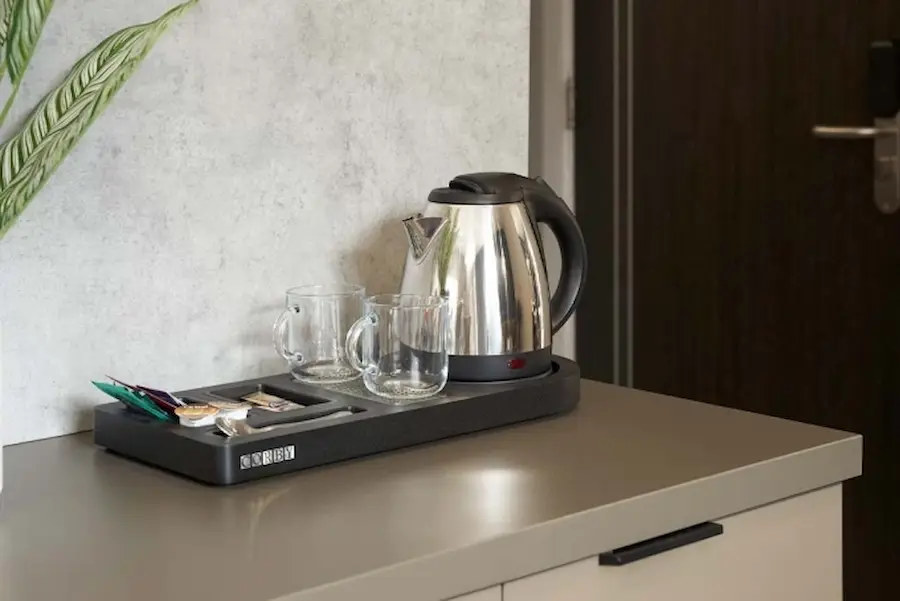
Before you use it, take 30 seconds to:
- Look inside for residue, discoloration, or an unusual smell
- Check the lid and spout for any buildup or staining
- Rinse it once with cold water before boiling
If anything looks or smells off, don't hesitate to call reception and ask for a replacement. In Vietnam's hospitality culture, staff are generally very accommodating and won't find this request strange at all.
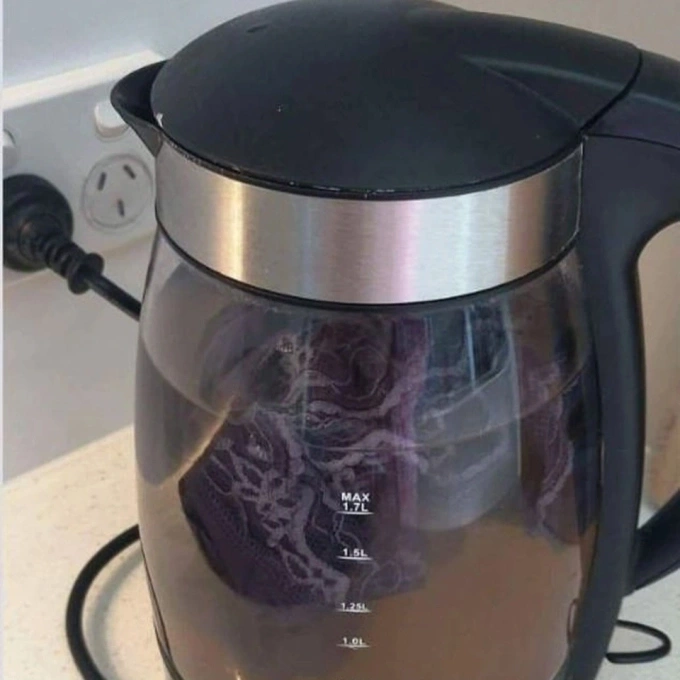
A tourist using electric kettle to wash clothes
One practical Vietnam hotel hygiene tip many seasoned travelers use: run a full boil cycle with plain water and discard it before making any actual drink. It takes two minutes and gives you peace of mind.
2. Check the Coffee Maker - Or Skip It Altogether
If your hotel room comes with a drip coffee maker or a capsule machine, the same logic applies. Coffee makers have internal water reservoirs that are almost never deep-cleaned between guests. Moisture stays trapped inside, which - as microbiologists will cheerfully remind you - is exactly the environment that mold and bacteria love most.
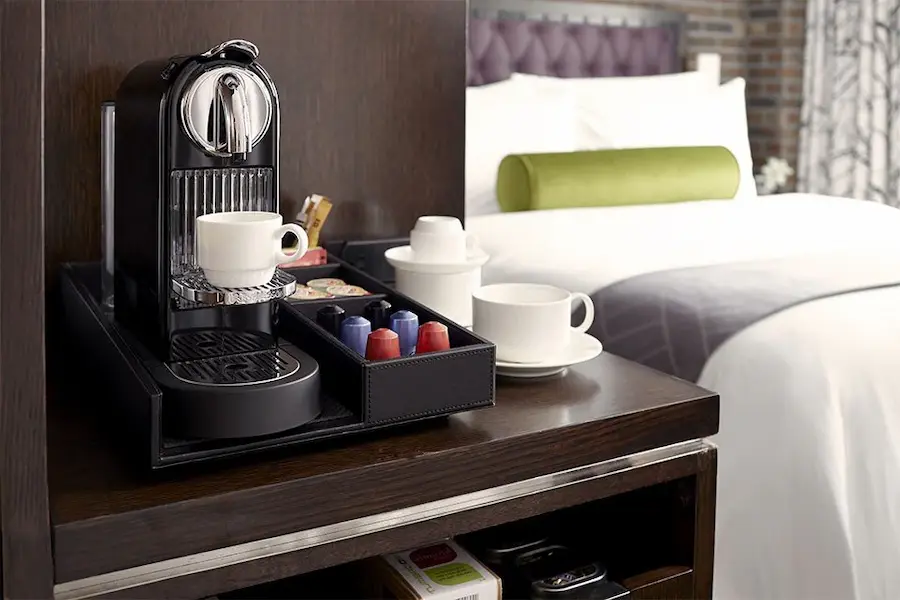
A quick Vietnam hotel hygiene tip for coffee lovers: run one cycle with just water before brewing your actual coffee. This flushes the machine and gives you a much cleaner cup.
Alternatively, skip the room coffee entirely. Vietnam has some of the best street coffee in the world, and a ca phe sua da (iced milk coffee) from the café downstairs or the shop around the corner will cost you under $1 and taste infinitely better. Honestly, this is less a hygiene tip and more just good travel advice.
3. The TV Remote - The Most-Touched, Least-Cleaned Item
Here it is: the single germiest object in almost every hotel room on the planet. The TV remote gets touched by every guest and wiped down by almost none of them. Studies from hospitality hygiene researchers have repeatedly flagged remotes as high-contamination surfaces.
Simple fix: use a spare plastic bag from your luggage to cover it, or bring a small pack of antibacterial wipes. This is one of those Vietnam hotel hygiene tip that sounds overly cautious until you think about it for a second too long.
4. Check the Bathroom - Beyond the Obvious
Hotel bathrooms in Vietnam's mid-range segment are generally well-maintained. But there are a few spots worth a second look:
The showerhead: In cities like Hanoi and Da Nang, water mineral content can be high. Limescale buildup inside showerheads is common, and in neglected units, it can harbor bacteria. If the showerhead looks clogged or discolored, ask for a different room or run it on full pressure for 30 seconds before stepping in.
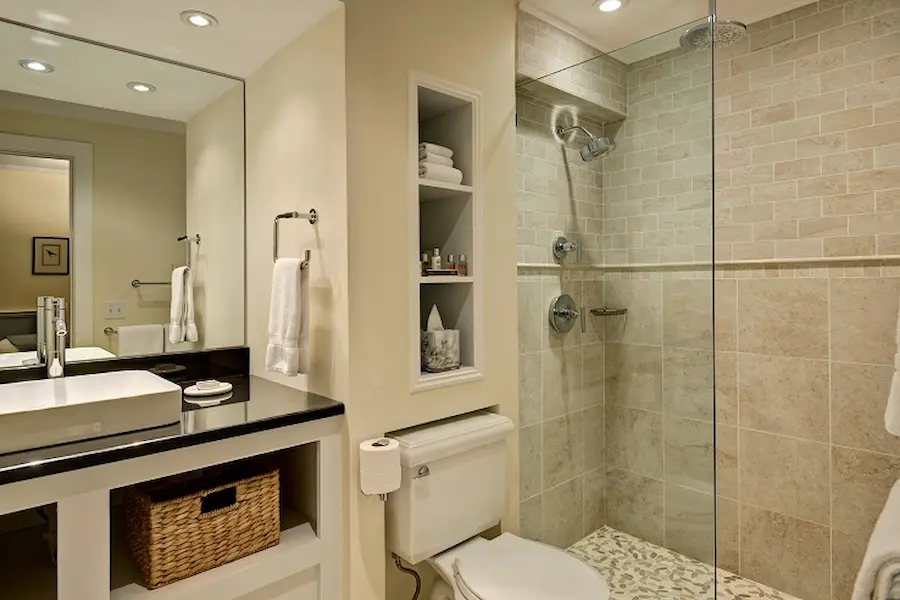
The floor near the drain: Vietnamese bathrooms often use a wet-room style layout where the entire floor is the shower area. This is practical, but it means the drain area can accumulate grime between cleanings. A quick visual check and a pair of flip-flops (essential Vietnam packing anyway) will sort this out.
Towels: Reputable mid-range hotels always replace towels between guests. If yours smell musty or look dingy, exchange them immediately at reception. This is completely normal to request.
5. The Bedding and Pillowcases
Good news here: most mid-range hotels in Vietnam do change bed linens between guests as a standard practice. But it doesn't hurt to do a quick visual check - look for hair, stains, or anything that suggests the sheets weren't freshly laundered.
If anything looks questionable, ask for fresh bedding. Frame it politely ("Could I have fresh sheets please?") and you'll have a replacement within minutes, no awkwardness involved. Vietnamese hotel staff are used to guest requests and genuinely want you to be comfortable.
One extra Vietnam hotel hygiene tip: bring a lightweight travel pillowcase if you're sensitive about this. It weighs almost nothing and gives you full control.
6. Glasses and Cups in the Room
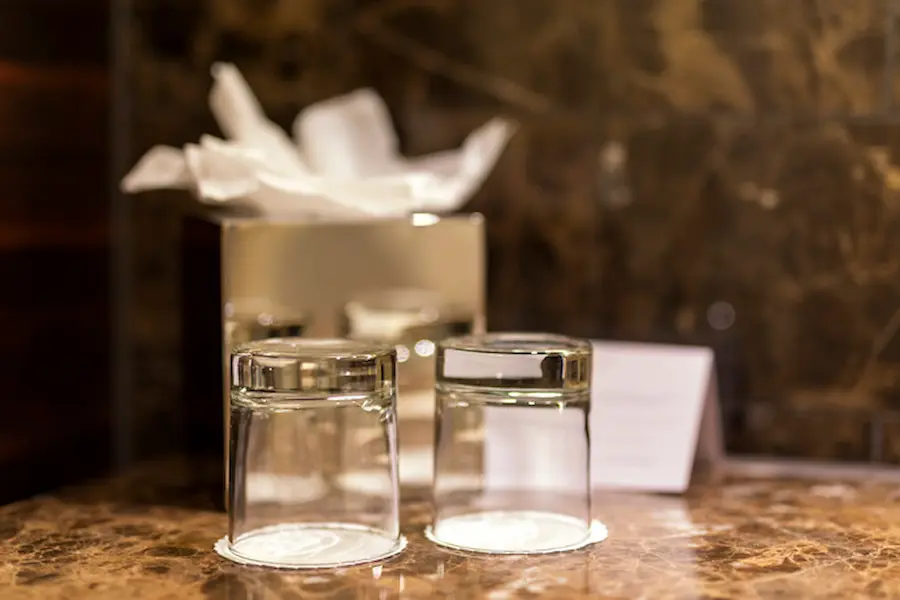
Those glass tumblers sitting elegantly on the bathroom counter? They're often rinsed, not washed - in some properties, they're barely rinsed. This is a global hotel issue, not specific to Vietnam, but worth knowing.
Options:
- Use the sealed, individually wrapped disposable cups if provided
- Wash the glasses yourself with soap before using
- Use your own travel cup or collapsible mug
7. Air Conditioning Filters
This one matters more in Vietnam than in many other destinations, simply because you'll likely be running the AC heavily - Vietnam's climate is hot and humid for most of the year. A clogged or moldy AC filter doesn't just smell bad; it can genuinely affect air quality, especially relevant for anyone with allergies or respiratory sensitivities.
When you enter the room, turn on the AC and notice if there's a musty odor in the first few minutes. If so, check the filter panel (usually a front-facing panel that opens easily) and ask housekeeping to clean or replace it. This is one of the more overlooked Vietnam hotel hygiene tip, but travelers with allergies will appreciate it.
8. What to Do If You Have Concerns
Vietnam's mid-range hotels are, in general, genuinely keen on guest satisfaction. If something doesn't meet your expectations hygiene-wise, here's the calm approach that works:
- Call or message reception directly - most mid-range hotels now use WhatsApp or Zalo for guest communication
- Be specific ("The kettle looks like it needs cleaning" is more effective than a vague complaint)
- Ask for what you need - a replacement item, fresh towels, a different room - and in most cases, you'll get it without fuss
Vietnam's tourism industry has matured significantly, and hotels at the mid-range level are competitive enough to care about reviews and guest feedback.
Pack Smart: A Quick Vietnam Hotel Hygiene Kit
You don't need to bring a laboratory. A small zip bag with the following covers everything:
- Antibacterial wipes (for remotes, light switches, door handles)
- Small hand sanitizer
- Flip-flops or travel slippers
- A travel pillowcase (optional but worth it for longer trips)
That's it. Total weight: under 200 grams. Total peace of mind: significant.
Final Thoughts
Vietnam is an incredible destination - the food, the landscapes, the culture, the people. The hotels, at the mid-range level, offer genuinely great value and most guests have zero issues. These Vietnam hotel hygiene tip aren't meant to make you paranoid; they're meant to make you a smarter, more confident traveler who spends their energy on exploring the country rather than worrying about whether the kettle is clean.
Do a quick five-minute check when you arrive, pack a small hygiene kit, and then get out there and enjoy it.
Planning your trip and still looking for the right accommodation options? Check out our curated vietnam vacation packages to find stays that match your budget, travel style, and itinerary.