


Are you planning a trip to Vietnam? If so, understanding how to avoid virus nipah is important health knowledge for any traveler considering destinations in Southeast Asia. While Vietnam itself has recorded zero cases, knowing how to avoid virus nipah ensures you travel with confidence and maintain excellent health practices. This comprehensive guide explains what this disease is, why Vietnam remains safe, and practical strategies for how to avoid virus nipah-all while you enjoy unforgettable travel experiences exploring Vietnam's rich culture, stunning landscapes, and vibrant cities.
Understanding Nipah Virus: What Is It?
Nipah virus is a serious zoonotic disease that spreads from animals to humans. Learning how to avoid virus nipah begins with understanding this pathogen's origins. The virus was first identified in 1999 during a devastating outbreak among pig farmers in Malaysia and Singapore that killed over 100 people. Since then, sporadic outbreaks have appeared primarily in Bangladesh and India, making it a significant regional health concern despite its relative rarity compared to other infectious diseases.
The virus exhibits a high mortality rate: approximately 40-75% of hospitalized patients experience severe illness. Symptoms typically appear 4-14 days after exposure and include fever, severe headache, muscle pain, cough, sore throat, and vomiting. In complicated cases, encephalitis (brain inflammation) develops, potentially causing confusion, seizures, and coma within 24-48 hours. Understanding how to avoid virus nipah means recognizing these symptoms and knowing when to seek medical care.
The natural reservoir for the virus is fruit bats, particularly Pteropus species (flying foxes). Most human infections result from direct contact with infected bats or pigs, or through consuming contaminated food. Person-to-person transmission can occur in healthcare settings or among family members, though this is uncommon among typical tourists. Knowing how to avoid virus nipah means avoiding behaviors that increase exposure risk.
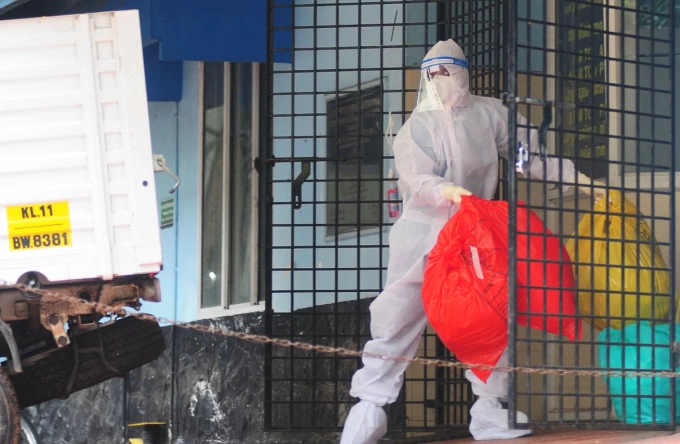
Vietnam's Status: Zero Cases and Strong Safeguards
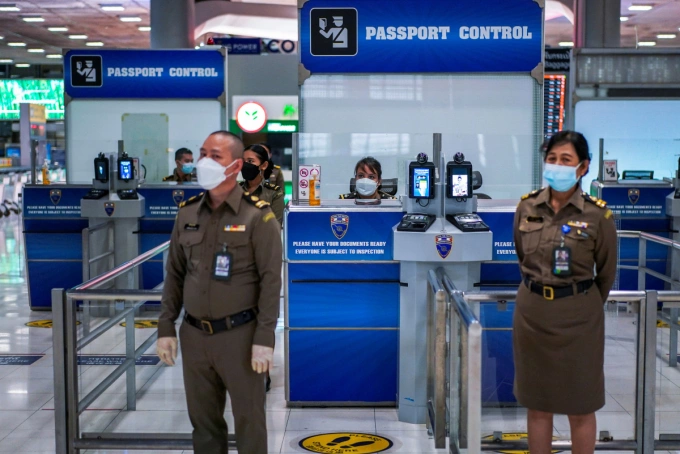
Here's the reassuring news for travelers: Vietnam has not recorded a single case of Nipah virus infection. As of January 26, 2026, Vietnam's Ministry of Health confirms zero documented infections within the country's borders. This excellent record reflects Vietnam's proactive disease surveillance systems at border gates, medical facilities, and throughout communities nationwide. Understanding how to avoid virus nipah in Vietnam is less about responding to a crisis and more about maintaining awareness and practicing sensible health habits.
Recent outbreaks have occurred only in West Bengal, India and Bangladesh-regions geographically distinct from Vietnam's major tourist destinations. Popular Vietnamese cities like Ho Chi Minh City, Hanoi, Ha Long Bay, Hue, Hoi An, and Da Nang experience zero outbreak risk. The international tourist infrastructure in Vietnam operates under rigorous health protocols and food safety standards that further protect international visitors, making your vacation safer when you understand how to avoid virus nipah through practical precautions.
According to the UK Health Security Agency, the actual risk to tourists in endemic regions remains very low when standard precautions are followed. This means that with basic health awareness and sensible measures, visitors can explore Vietnam's magnificent destinations safely. Learning how to avoid virus nipah represents responsible travel preparation rather than cause for concern.
How Nipah Spreads: Transmission Pathways
Understanding transmission routes is essential for anyone asking how to avoid virus nipah. The virus spreads through three primary pathways. First, direct contact with infected animals or their bodily fluids (blood, saliva, urine, feces) transmits the virus. Second, consuming contaminated food-particularly fruits touched by infected bats or raw date palm sap-poses transmission risk. Third, close contact with infected humans, especially their respiratory secretions, can cause transmission. Understanding how to avoid virus nipah means being aware of these routes.
In Bangladesh, most human cases link to consuming raw date palm juice (tari), a traditional beverage that fruit bats contaminate. In India, cases involve both agricultural exposure and healthcare worker infections. For tourists visiting Vietnam, these transmission pathways are largely irrelevant-the virus doesn't circulate in Vietnam, bats aren't commonly encountered in tourist areas, and tourist food sources are inspected and sanitized. This geographic reality is why knowing how to avoid virus nipah is primarily precautionary rather than essential for Vietnam visitors.
Person-to-person transmission typically requires close contact and only occurs when infected individuals have respiratory symptoms. Healthcare workers and family caregivers face the highest risk when caring for severely ill patients. Casual contact with non-symptomatic individuals carries negligible transmission risk, and the virus doesn't spread through normal social interaction. This means that even if you encountered someone with the disease, you could still learn how to avoid virus nipah simply through maintaining normal hygiene.
Practical Prevention: How to Avoid Nipah Virus
While understanding how to avoid virus nipah might sound complex, the actual precautions are straightforward and align with general travel health practices. Here are the essential strategies for how to avoid virus nipah while traveling in Southeast Asia:
Food Safety First
Knowing how to avoid virus nipah starts with proper food safety. Always wash fruits and vegetables thoroughly under clean running water before consumption. Peel fruits yourself rather than eating pre-peeled versions. Avoid raw or unpasteurized juices, particularly traditional fermented beverages from rural areas. Stick exclusively to bottled water and avoid ice from unknown sources. These practices for how to avoid virus nipah also protect against numerous common foodborne illnesses that affect travelers more frequently than this particular virus.
Avoid Animal Contact
Learning how to avoid virus nipah requires maintaining distance from wild animals, especially bats and pigs. Don't touch bats even if they appear injured or docile. Avoid bat caves or farm animals unless absolutely necessary. Most organized tours in Vietnam avoid risky animal interactions anyway. When you encounter wildlife, observe from safe distance using cameras or binoculars. Understanding how to avoid virus nipah means respecting wildlife boundaries-it protects both you and the animals.
Personal Hygiene Standards
Excellent personal hygiene is fundamental to how to avoid virus nipah. Wash hands frequently with soap and water for at least 20 seconds, especially before eating and after outdoor activities. Carry hand sanitizer with 60% alcohol for situations where soap isn't available. Avoid touching your face with unwashed hands. After visiting rural areas, change clothes and shower when possible. These daily habits for how to avoid virus nipah prevent multiple infections and represent good practice for all travel.
These straightforward practices explain how to avoid virus nipah effectively without disrupting your travel experience. When you follow these guidelines consistently, you significantly minimize any existing risk while enjoying Vietnam's incredible attractions.
Health Monitoring and Symptom Awareness
Part of understanding how to avoid virus nipah involves recognizing symptoms if exposure occurs. Know what to watch for: fever, severe headache, muscle aches, cough, sore throat, vomiting, and dizziness appearing 4-14 days after potential exposure. In serious cases, confusion, seizures, or neurological symptoms develop 3-21 days after initial illness. Secondary encephalitis represents the virus's most dangerous complication, affecting 40-75% of infected individuals.
If you develop concerning symptoms while traveling, immediately seek medical attention at a hospital. Inform providers of your travel history and potential exposures-this speeds diagnosis. After returning home, contact your physician if symptoms develop within 14 days and mention your recent travel. Most travelers with these symptoms will have other diagnoses, but professional evaluation ensures proper treatment. Understanding how to avoid virus nipah includes knowing when and how to seek help if needed.
Organized Tours: Safety and Convenience
Many international travelers booking vietnam vacation packages do so specifically for the safety and convenience benefits. Professional tour operators maintain relationships with established restaurants, food vendors, and activity providers meeting international health standards. When considering how to avoid virus nipah, organized vietnam vacation packages provide additional assurance by handling food sourcing and activity planning with health protocols in mind.
When you select vietnam vacation packages from reputable companies, your itinerary focuses on well-established tourist destinations avoiding high-risk activities. Hotels included in vietnam vacation packages meet international sanitation standards. Tour operators are knowledgeable about current regional health concerns and advisories. Additionally, vietnam vacation packages typically include travel insurance covering medical emergencies, providing financial protection and professional support if health concerns arise.
For travelers prioritizing health and safety, vietnam vacations offer significant advantages beyond just knowing how to avoid virus nipah. Professional guides can answer specific questions about regional health advisories and health concerns in neighboring countries. This combination of expert knowledge and organized logistics makes vietnam vacation packages attractive for health-conscious travelers.
Current Status and Future Outlook
The most recent confirmed outbreak occurred in West Bengal, India in January 2026, involving healthcare workers. Vietnam's Ministry of Health responded by enhancing surveillance while confirming the continued absence of cases within Vietnam. This demonstrates regional health authorities maintain vigilance without implementing travel restrictions. Understanding how to avoid virus nipah remains important awareness, but shouldn't deter visitors from exploring Vietnam.
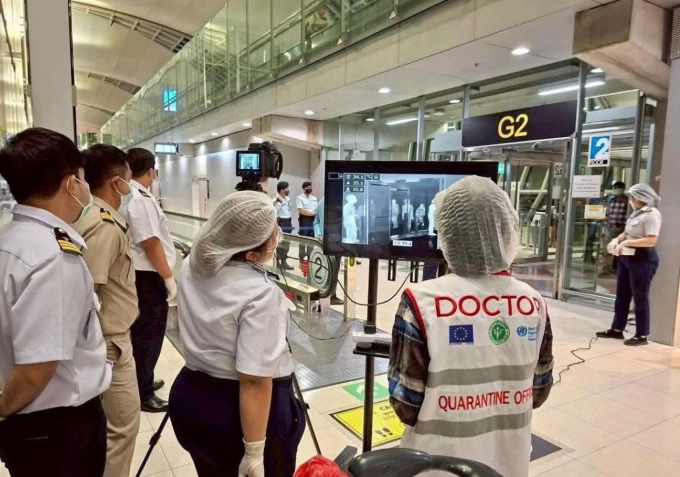
Scientific research continues developing treatments and vaccines. Compounds including remdesivir and monoclonal antibodies show promise. As medical science advances, even the small risk to travelers will continue diminishing. Meanwhile, Vietnam's healthcare infrastructure and disease surveillance systems provide monitoring and rapid response capabilities, further assuring visitors who understand how to avoid virus nipah through precaution and awareness.
Travel Vietnam Confidently: Final Guidance
Vietnam remains a wonderful, safe destination for millions of international travelers annually. The health precautions discussed here apply to all tropical destinations regardless of whether you're learning how to avoid virus nipah or preventing other illnesses. These same practices prevent malaria, dengue, typhoid, and various foodborne diseases affecting travelers far more frequently than this particular virus.
With zero cases in Vietnam, robust disease surveillance, and your practical precautions, you're well-positioned for a safe, healthy journey. Whether exploring stunning beaches, ancient temples, vibrant cities, or serene countryside, health awareness ensures you maximize your experience. Now that you know how to avoid virus nipah, you can focus on creating wonderful travel memories.
Book your vietnam vacation packages with confidence and embark on your Southeast Asian adventure with informed awareness. The combination of knowledge about how to avoid virus nipah and practical health measures puts you in the best position for a successful, healthy journey. Your Vietnamese adventure awaits-travel smart, stay healthy, and enjoy every moment!